Table of Contents
ToggleSmart appliances aren’t just for tech enthusiasts anymore, they’re becoming standard equipment in modern kitchens. Frigidaire has entered this space with refrigerators that combine Wi-Fi connectivity, app control, and voice integration into appliances that still do the basic job well: keeping food cold. These units offer practical features that can genuinely improve how homeowners manage groceries, monitor temperatures, and troubleshoot issues without calling a repair tech for every hiccup. This guide walks through what sets Frigidaire’s smart fridges apart, which features actually matter, and whether the technology justifies the investment for your home.
Key Takeaways
- Frigidaire smart refrigerators prioritize practical features like real-time temperature alerts, door-ajar notifications, and remote diagnostics rather than unnecessary gimmicks.
- The Frigidaire smart refrigerator app enables remote temperature control, Wi-Fi connectivity, and voice assistant integration with Alexa and Google Assistant for hands-free operation.
- Variable-speed compressors and improved insulation in Frigidaire models help reduce utility bills by $30–$50 annually while meeting or exceeding ENERGY STAR standards.
- Installation requires standard 120V electrical setup, a 1/4-inch water line connection, proper clearance for ventilation, and Wi-Fi signal strength testing before setup.
- A Frigidaire smart refrigerator costs $300–$600 more than non-smart models but justifies the premium through remote diagnostics, energy savings, and smart home integration for tech-comfortable households.
What Makes Frigidaire Smart Refrigerators Stand Out?
Frigidaire smart refrigerators focus on straightforward functionality rather than flashy gimmicks. Unlike some competitors that pack in touchscreens or internal cameras, Frigidaire emphasizes remote monitoring and control through a streamlined mobile app.
The brand’s approach centers on solving common refrigerator frustrations. Temperature fluctuations get addressed through real-time alerts sent directly to a smartphone. Door-ajar notifications prevent spoiled food and wasted energy. Remote diagnostics help identify mechanical issues before they become expensive repair calls.
Most Frigidaire smart models use French door configurations with bottom freezers, which aligns with what most homeowners prefer for accessibility. Standard dimensions fit existing cutouts, so retrofitting doesn’t require cabinet modifications. The units maintain counter-depth options that sit flush with cabinetry for a built-in look without custom installation costs.
Energy efficiency ratings typically meet or exceed ENERGY STAR standards, which matters when a refrigerator runs 24/7. Frigidaire uses variable-speed compressors that adjust cooling cycles based on usage patterns rather than running at full blast constantly. This translates to lower utility bills and quieter operation compared to older single-speed models.
Key Smart Features and Technology You’ll Actually Use
Smart technology only adds value if it solves real problems. Frigidaire includes several features that homeowners will use weekly, not just once during the initial setup novelty phase.
Wi-Fi Connectivity and App Control
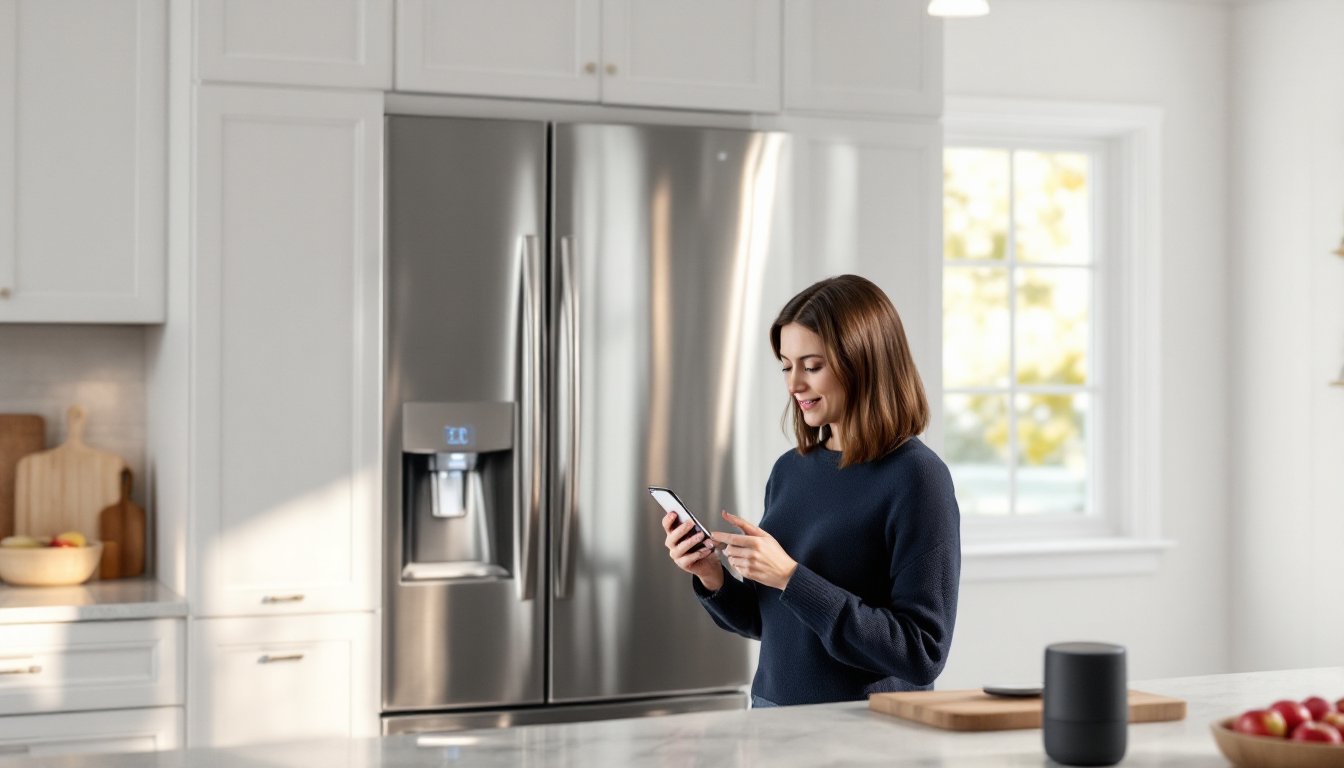
The Frigidaire app connects to the refrigerator over the home’s 2.4 GHz Wi-Fi network (5 GHz isn’t supported on most models, which is standard for appliances). Setup takes about five minutes using a smartphone, scan a QR code on the refrigerator panel, connect to the network, and register the appliance.
Once connected, users can adjust temperature settings remotely for both the refrigerator and freezer compartments. This matters more than it sounds, when hosting events, dialing the fridge down a few degrees before loading it with groceries helps maintain food safety. When going on vacation, bumping temperatures up slightly saves energy without risking spoilage.
The app sends push notifications for critical events: door left open longer than three minutes, power outages, temperature spikes above safe zones (above 40°F for the fridge, above 0°F for the freezer). Some models include water filter status alerts that track gallons dispensed and remind homeowners when the six-month replacement cycle arrives.
Remote diagnostics run through the app as well. When something malfunctions, the refrigerator generates an error code that appears on the smartphone. This gives homeowners specific information to share with repair technicians, which speeds up service calls and helps avoid unnecessary diagnostic fees. Several smart refrigerators with app integration now include similar diagnostic features as standard equipment.
Voice Assistant Integration
Frigidaire smart refrigerators work with Alexa and Google Assistant. Voice control handles basic commands: “Alexa, set the refrigerator temperature to 37 degrees” or “Hey Google, is my freezer door open?”
The voice integration shines when hands are full. Checking door status while unloading groceries or adjusting temperatures while cooking eliminates the need to walk over and manually access controls. Some users set up routines, “Alexa, party mode” can trigger the refrigerator to drop temperatures, turn on the ice maker’s fast-freeze function, and send a notification when optimal cooling is reached.
Voice commands also query the water filter status, check current temperatures in each compartment, and confirm whether the refrigerator is online. This beats squinting at the small LED panel inside the fridge or digging through the app menu.
One limitation: voice assistants can’t open doors or dispense water remotely. That’s a safety feature, not an oversight, the last thing anyone needs is a malfunctioning voice command flooding the kitchen floor.
Top Frigidaire Smart Refrigerator Models for Your Home
Frigidaire offers several smart refrigerator configurations to match different kitchen layouts and household needs. Models update annually, but the core lineup includes these categories:
Frigidaire Gallery Series represents the mid-range smart option. These French door models include Wi-Fi connectivity, app control, and voice integration as standard features. Capacity runs between 22 to 27 cubic feet, which suits most families of four to six. The Gallery series uses smudge-proof stainless steel that resists fingerprints better than standard finishes, helpful for households with kids. Prices typically range from $2,200 to $3,000, depending on capacity and finish options.
Frigidaire Professional Series targets homeowners wanting commercial-grade performance with smart features. These models add dual ice makers (one in the door, one in the freezer), adjustable door bins, and more precise temperature controls divided into multiple zones. Capacity reaches up to 27.8 cubic feet. The Professional series uses heavier-duty hinges and thicker door seals for better insulation. Expect to pay $3,000 to $4,200 for these units.
Both series offer counter-depth configurations that reduce standard refrigerator depth from 36 inches to about 24 inches (excluding handles and doors). This creates a flush appearance with surrounding cabinetry but sacrifices roughly 3-4 cubic feet of interior storage. Counter-depth models cost about $200-$300 more than standard-depth equivalents.
Most Frigidaire smart models use exterior ice and water dispensers built into the left door. This design reduces interior capacity slightly but keeps filtered water and ice accessible without opening the main compartment. Independent reviews of French door refrigerators frequently highlight this layout for family convenience.
Color options include stainless steel, black stainless steel, white, and occasionally slate finishes. Black stainless has become popular because it hides fingerprints and scratches better than traditional stainless while maintaining a modern appearance.
Installation and Setup: What Homeowners Need to Know
Installing a Frigidaire smart refrigerator follows the same basic process as any full-size fridge, with a few additional considerations for the smart features.
Electrical requirements are standard: a dedicated 120V, 15-amp circuit. Most kitchens already have this in place for the existing refrigerator. Don’t run the appliance on an extension cord or share the circuit with other large appliances, this violates both manufacturer guidelines and National Electrical Code (NEC) recommendations.
Water line connection is necessary for models with ice makers and water dispensers. The refrigerator needs a 1/4-inch copper or braided stainless steel supply line connected to a cold water source. Many homes have a saddle valve already installed on a nearby pipe from the previous fridge. If not, adding one is straightforward, shut off the main water supply, clamp the saddle valve onto a cold water pipe, drill through the valve into the pipe, and connect the supply line. Use two wrenches (one to hold the valve, one to tighten the compression fitting) to avoid stripping threads.
Frigidaire recommends installing a water shutoff valve within six feet of the refrigerator. This allows quick water disconnection during filter changes or if the line develops a leak. It’s cheap insurance against water damage.
Clearance requirements matter for both ventilation and door swing. Leave at least 1 inch on top, 1/2 inch on each side, and 1 inch at the back for airflow. The condenser coils run along the bottom rear, so blocking airflow forces the compressor to work harder and shortens its lifespan. Measure door swing carefully, French doors need about 22 inches of clearance when fully opened to 90 degrees. If the refrigerator sits near a perpendicular wall or island, this can create access problems.
Wi-Fi setup happens after the refrigerator runs for 24 hours and stabilizes at operating temperature. Download the Frigidaire app, create an account, and follow the in-app pairing process. The refrigerator has a control panel inside (usually on the ceiling of the fresh food compartment) with a Wi-Fi pairing button. Hold it until the indicator light blinks, then complete the connection through the app.
Router placement affects connectivity. If the kitchen sits far from the wireless router or has thick walls, connection drops become common. Testing signal strength before installation helps, most smartphones have apps that measure Wi-Fi strength in different rooms. If signal is weak, consider adding a Wi-Fi extender or mesh network node closer to the kitchen.
Leveling the refrigerator prevents door drift and ensures proper drainage from the defrost cycle. Use a carpenter’s level across the top front. Adjust the front leveling legs by turning them clockwise to raise or counterclockwise to lower. The refrigerator should tilt slightly backward (about 1/4 inch over the depth) so doors naturally swing closed.
Is a Frigidaire Smart Refrigerator Worth the Investment?
The value proposition depends on what problems a homeowner faces and how much they’ll actually use the smart features.
Frigidaire smart refrigerators cost $300 to $600 more than comparable non-smart models with similar capacity and finish. That premium buys Wi-Fi connectivity, app control, voice integration, and remote diagnostics. For households that already use smart home devices extensively, the integration feels natural and the features get regular use.
Temperature monitoring and alerts provide genuine value for families that travel frequently or store expensive groceries. A power outage notification lets homeowners respond before a freezer full of meat spoils, potentially saving hundreds of dollars in a single event. Door-ajar alerts catch mistakes that waste energy and risk food safety.
Remote diagnostics can reduce service call costs. When a refrigerator malfunctions, the error codes sent through the app give repair technicians specific information before they arrive. This eliminates diagnostic fees (often $100-$150) and helps ensure the right parts arrive on the first visit. Some warranties even require using the diagnostic feature before authorizing service.
Energy efficiency improvements offset part of the cost premium over time. Frigidaire’s variable-speed compressors and improved insulation typically save $30 to $50 annually compared to 10-year-old refrigerators. That’s not dramatic, but over a 15-year lifespan, it adds up to $450-$750 in utility savings.
The technology does add complexity. More electronic components mean more potential failure points. Smart features require software updates, and app support could theoretically end years before the refrigerator itself wears out. Frigidaire has maintained backward compatibility so far, but it’s worth considering.
For homeowners who ignore smartphone notifications, never use voice assistants, and prefer manual controls, the smart premium doesn’t make sense. Comparing features across top smart refrigerators helps clarify whether the technology matches actual usage patterns. But for tech-comfortable households that value remote monitoring and integration with existing smart home systems, Frigidaire smart refrigerators deliver practical benefits that justify the moderate upcharge.