Table of Contents
ToggleA double cylinder deadbolt smart lock combines old-school mechanical security with modern connectivity, giving homeowners keyless convenience without sacrificing physical protection. Unlike standard single-cylinder deadbolts that use a thumb turn on the interior, double cylinder models require a key (or code) on both sides, making them harder to defeat through broken glass or forced entry. When paired with smart technology, they deliver remote monitoring, keyless entry, and integration with home automation systems. For doors with glass panels or sidelights, this setup addresses a significant vulnerability while adding 21st-century functionality.
Key Takeaways
- A double cylinder deadbolt smart lock combines mechanical security with modern smart features, preventing unauthorized access through broken glass or mail slots while enabling keyless entry and remote control.
- Double cylinder smart locks require verification of local fire and building codes, especially for egress doors, as some jurisdictions prohibit them on primary exits due to egress safety concerns.
- Smart lock connectivity options range from budget-friendly Bluetooth (30-40 feet) to Wi-Fi (remote access anywhere) and Z-Wave/Zigbee hubs, each with different battery life and integration capabilities.
- Proper installation requires checking door backset and thickness compatibility, with DIY replacement taking 60-90 minutes, though new door preps and structural reinforcement should be handled by professionals.
- Tamper alerts, activity logs, and multi-factor backup access methods—including exterior keyed cylinders and interior keypads—enhance security and provide recovery options if electronics fail.
- Integration with smart home ecosystems like Amazon Alexa and Apple HomeKit enables voice control and automation routines, making your double cylinder deadbolt a central component of home security management.
What Is a Double Cylinder Deadbolt Smart Lock?
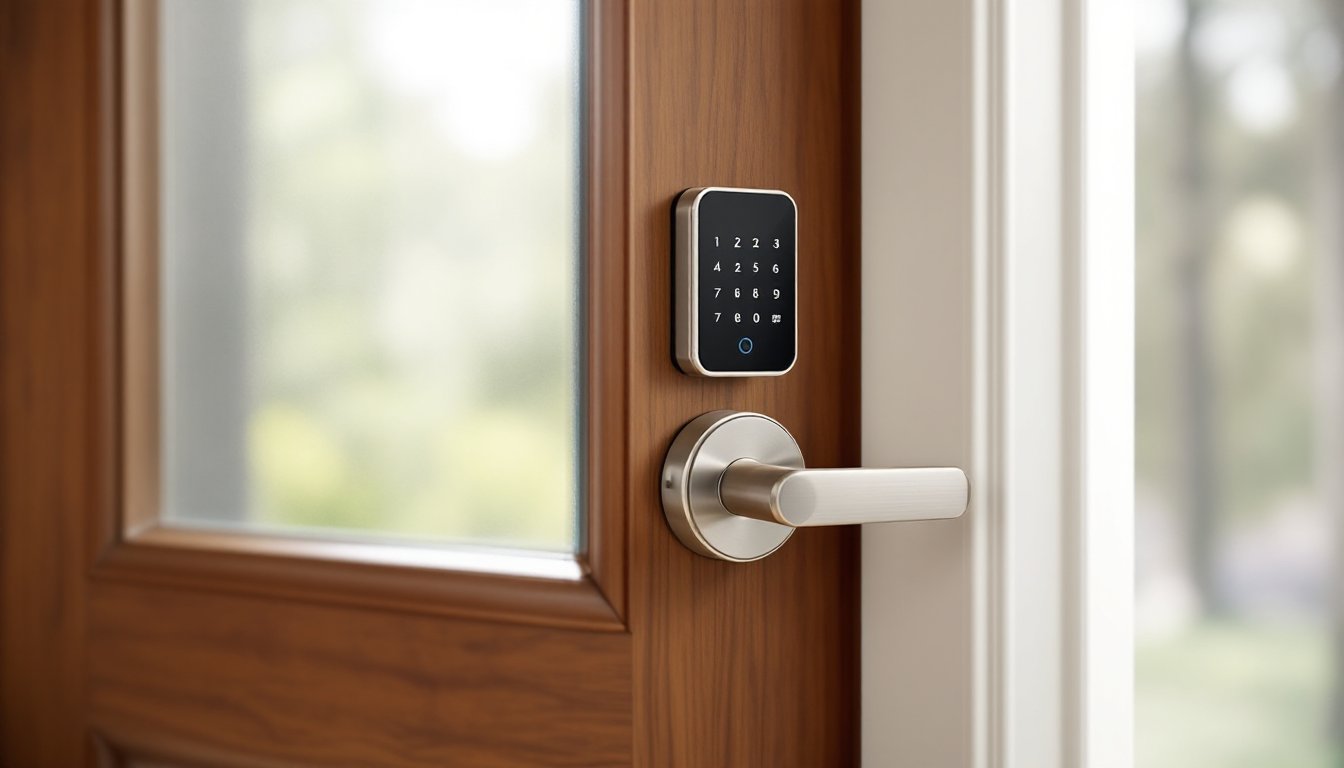
A double cylinder deadbolt uses a keyed cylinder on both the exterior and interior sides of the door, instead of the typical thumb turn found on single-cylinder models. This design prevents someone from reaching through a broken window or mail slot to unlock the door from inside, a common weakness in doors with glass panels or adjacent sidelights.
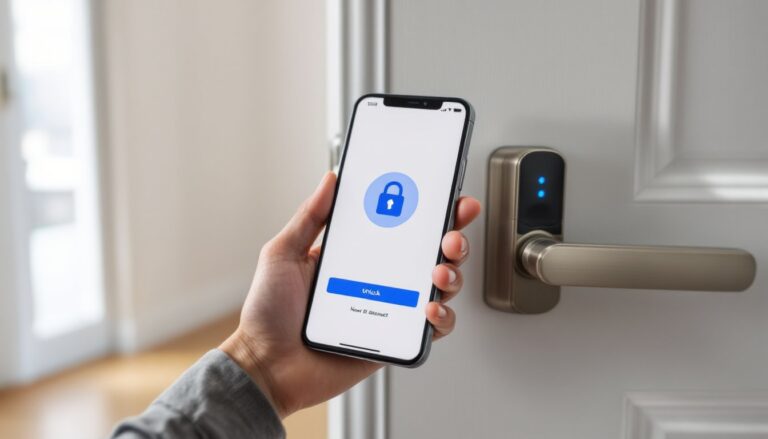
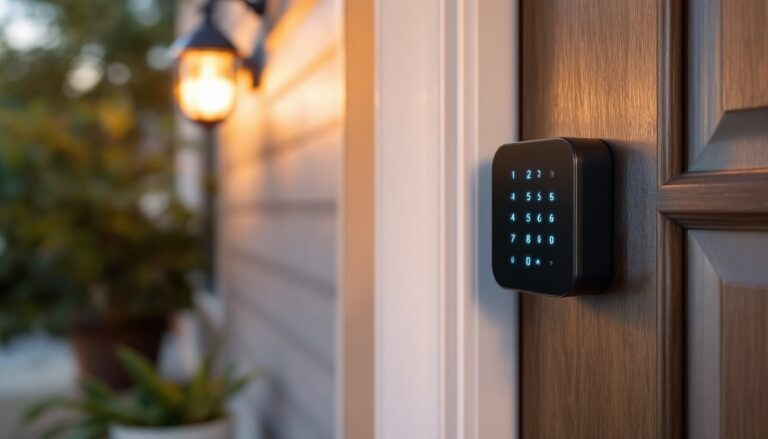
When smart technology is integrated, the lock typically replaces the interior keyed cylinder with a motorized actuator controlled by a keypad, touchscreen, smartphone app, or voice assistant. The exterior retains a traditional keyed cylinder as a backup. Some models use Bluetooth, Wi-Fi, or Z-Wave connectivity for remote access, while others rely on keypads for code entry without phone dependence.
The main distinction from a standard smart lock is the absence of an interior thumb turn. This makes unauthorized interior access significantly harder, but it also means occupants need a key, code, or app to exit, a critical consideration for fire egress codes in some jurisdictions (more on that below).
Most double cylinder smart locks install in standard 2-1/8″ bore holes and fit doors with 1-3/8″ to 1-3/4″ thickness, matching ANSI Grade 1 or Grade 2 deadbolt standards. They’re compatible with most residential door preps, but verify backset (the distance from door edge to bore center, usually 2-3/8″ or 2-3/4″) before purchasing.
Key Benefits of Installing a Double Cylinder Smart Deadbolt
Enhanced Security Features
Physical tamper resistance is the primary draw. With no interior thumb turn, an intruder can’t unlock the door by smashing a nearby window. This is especially relevant for French doors, doors with decorative glass inserts, or entryways with sidelights within arm’s reach of the deadbolt.
Many smart models include anti-pick cylinders, reinforced strike plates, and hardened steel bolts (minimum 1″ throw). Look for ANSI/BHMA Grade 1 certification, which requires the lock to withstand 800,000 cycles, multiple forced-entry tests, and extreme weather exposure. Grade 2 is acceptable for most residential applications but offers less resistance to drilling and prying.
Tamper alerts push notifications to a smartphone if someone enters an incorrect code repeatedly or forces the mechanism. Some systems log every unlock event with a timestamp and user ID, useful for tracking who accessed the home and when.
Double cylinder smart locks often work with existing deadbolt reinforcement hardware, door armor kits, strike box reinforcements, and hinge bolts, to address weak points in the door frame. Security is only as strong as the weakest link: a Grade 1 lock on a hollow-core door with a pine jamb won’t stop a determined kick.
Remote Access and Control
Keyless entry eliminates the need to carry or hide physical keys. Homeowners can issue temporary or recurring access codes for contractors, cleaners, or guests, then deactivate them remotely when no longer needed. This is more secure than leaving a key under the mat or in a lockbox.
Wi-Fi or hub-connected models allow lock/unlock from anywhere with cell service. Forgot to lock up after leaving? Handle it from the office. Need to let in a plumber while you’re out? Unlock remotely, then re-lock and check the activity log.
Integration with smart home ecosystems (Amazon Alexa, Google Assistant, Apple HomeKit, Samsung SmartThings) enables voice control and automation routines. For example, saying “Goodnight” could lock all doors, arm the security system, and turn off lights. Geofencing can auto-lock when the last resident leaves the perimeter.
Many systems pair with video doorbells or security cameras for visual confirmation before unlocking remotely. Independent reviews from trusted smart lock roundups highlight models that integrate seamlessly with Ring, Nest, and Arlo ecosystems.
Battery backup is standard: most run on four AA batteries lasting 6–12 months. Low-battery warnings appear in the app weeks before depletion, and many include a 9V emergency jump terminal on the exterior for a dead battery bailout.
How to Choose the Right Double Cylinder Smart Lock for Your Home
Start by checking local fire and building codes. Some jurisdictions prohibit double cylinder deadbolts on egress doors (primary exits) because occupants could be trapped during a fire if they can’t locate a key. The International Residential Code (IRC) generally requires egress doors to be openable from the inside without keys, tools, or special knowledge. Smart locks with interior keypads or touchscreens may satisfy this requirement, but verify with your local building department before installation. If code compliance is uncertain, reserve double cylinder locks for secondary doors (back doors, basement entries) or doors not designated as emergency exits.
Connectivity type affects functionality and cost. Bluetooth-only models are budget-friendly and don’t require a hub, but remote access works only within 30–40 feet. Wi-Fi locks connect directly to your router for remote control from anywhere but draw more battery power. Z-Wave or Zigbee locks need a compatible hub (SmartThings, Hubitat, or a dedicated security panel) but integrate tightly with broader home automation and use less battery than Wi-Fi.
Consider backup access methods. A physical keyed cylinder on the exterior is critical if electronics fail. Some models offer mechanical key override on the interior as well, providing an egress solution that may satisfy code inspectors. Others use capacitive touch keypads with backup codes stored in non-volatile memory, so a code will work even if the battery dies mid-entry.
Weatherproofing matters for exterior doors. Look for an IP rating (e.g., IP65) indicating dust and water resistance. Exposed keypads should have sealed buttons and corrosion-resistant finishes (stainless steel, brass, or powder-coated zinc alloy). Comprehensive testing from sources like Tom’s Guide evaluates how locks perform in sub-zero temps and high humidity.
Door compatibility is straightforward if your door already has a deadbolt. Measure the backset (distance from door edge to center of the bore hole) and door thickness. Most smart locks fit a 2-1/8″ bore and 2-3/8″ or 2-3/4″ backset. If your door has a different prep, adaptable faceplates or custom drilling may be required, consider professional installation.
Smart home ecosystem compatibility dictates which voice assistants and automation platforms will work. Locks certified for Amazon Alexa, Google Assistant, or Apple HomeKit offer native voice control. Platforms like Digital Trends’ smart lock reviews often break down ecosystem support model-by-model.
Finally, weigh subscription costs. Some manufacturers charge monthly fees for cloud storage of access logs, remote control, or advanced features like auto-lock/unlock. Others offer full functionality without ongoing fees. Read the fine print before committing.
Installation Guide: DIY vs. Professional Setup
DIY installation is feasible for anyone comfortable with a drill and screwdriver, especially if replacing an existing deadbolt. Most smart locks ship with templates, drill bits (if needed), and step-by-step instructions. Budget 60–90 minutes for a first-time install.
Tools and materials:
- Phillips and flathead screwdrivers
- Drill with 2-1/8″ hole saw (only if boring a new hole)
- 1″ spade bit for the latch bolt hole in the door edge
- Chisel and hammer for mortising the faceplate and strike plate
- Tape measure
- Pencil
- Level (optional but helpful for alignment)
- Safety glasses (always when drilling)
Step-by-step (replacing an existing deadbolt):
- Remove the old deadbolt. Unscrew the interior and exterior plates, then pull the cylinders and latch assembly from the door. Keep the strike plate installed temporarily for reference.
- Test-fit the new latch assembly. Insert the latch bolt into the edge hole. If the new faceplate is larger than the old mortise, you’ll need to chisel out additional material so it sits flush with the door edge. A sharp chisel and light hammer taps work best, remove thin layers to avoid over-cutting.
- Install the latch. Secure it with the provided screws (usually #8 × 1″ or similar). Confirm the latch retracts and extends smoothly.
- Mount the exterior assembly. Thread the tailpiece (the actuating spindle) through the latch mechanism. Align screw holes and finger-tighten screws to check fit before final tightening.
- Attach the interior assembly. For smart locks, this typically means mounting the motorized unit or keypad panel. Route any included cables (for battery compartments or sensors) per the manual. Secure with long through-bolts that pass through both sides of the door.
- Install batteries and pair the lock. Follow the manufacturer’s app or keypad instructions to add the lock to your network, set master codes, and test lock/unlock cycles.
- Adjust the strike plate. The bolt should slide into the strike with minimal resistance. If it binds, file the strike opening slightly or adjust door hinges for better alignment. A misaligned strike causes premature motor wear and battery drain.
- Test all access methods. Try the physical key, app unlock, keypad codes, and voice commands (if applicable). Verify tamper alerts and activity logs appear correctly.
When to call a professional:
- Boring a new hole in a door without an existing deadbolt requires precision. Off-center holes compromise door strength and lock function. A locksmith has jigs to ensure accurate placement.
- Code compliance questions. If unsure whether a double cylinder lock meets local egress requirements, a licensed locksmith or building inspector can advise.
- Door frame reinforcement. Installing a strike box (a metal-lined pocket in the jamb) or replacing a weak jamb with a solid wood or steel frame is best left to a carpenter or locksmith.
- Smart home integration troubleshooting. If the lock won’t pair with your hub or app, tech-savvy locksmiths or home automation installers can diagnose network issues, firmware updates, or compatibility conflicts.
Permit requirements are rare for lock replacement but may apply if you’re adding new locks as part of a larger security system installation. Check with your local building department.
Safety reminder: Always wear eye protection when drilling or chiseling. Work in a well-ventilated area if using lubricants or finishes on the lock.
Conclusion
A double cylinder deadbolt smart lock delivers robust physical security for doors with glass vulnerabilities while adding the convenience of keyless entry, remote access, and smart home integration. Choosing the right model means balancing code compliance, connectivity needs, and installation complexity. DIYers with basic tool skills can handle replacement installations in under two hours, but new door preps or tricky integrations justify calling a pro. Either way, the upgrade transforms a traditional lock into a responsive, monitored entry point that fits modern home security expectations.