Table of Contents
ToggleSmart thermostats promise to slash energy bills while keeping homes comfortable year-round. But do they actually deliver on those savings, or is it just marketing hype? For homeowners weighing the upgrade from a basic programmable thermostat or an ancient dial unit, the answer depends on current habits, home characteristics, and how well the technology gets used. This breakdown cuts through the noise with real-world data, upfront costs, and the factors that determine whether a smart thermostat pays for itself, or just adds another gadget to the wall.
Key Takeaways
- A smart thermostat can save 10-23% annually on heating and cooling costs, translating to $120-$276 per year for the average household depending on climate and usage patterns.
- The upfront cost of $130-$250 for quality smart thermostats typically pays for itself within 2-4 years, with savings continuing for the device’s 10-15 year lifespan.
- Smart thermostat savings depend heavily on current habits—those upgrading from always-on or poorly-scheduled systems see 20-30% reductions, while efficient users may only save 5-8%.
- Utility company rebates of $50-$100 can significantly reduce upfront costs and shorten payback periods, so check local programs before purchasing.
- Maximizing savings requires actively using geofencing, temperature setbacks of 8-10°F when away, reviewing energy reports, and integrating with other smart home devices rather than treating the thermostat as a basic programmable unit.
- A smart thermostat cannot create savings alone if insulation is poor or HVAC equipment needs maintenance—it works best as part of a comprehensive home energy efficiency strategy.
How Smart Thermostats Actually Reduce Energy Bills
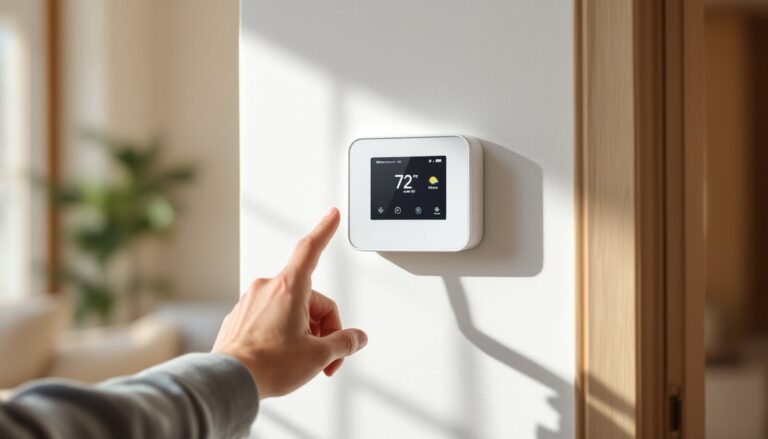
Smart thermostats cut costs through three core mechanisms: adaptive scheduling, remote access, and data-driven insights. Unlike old-school programmable models that require manual setup (and often get ignored), smart units learn occupancy patterns and adjust temperatures automatically. If everyone leaves for work at 8 a.m., the system stops heating or cooling an empty house. When someone arrives home early, geofencing triggers climate adjustments before they walk in the door.
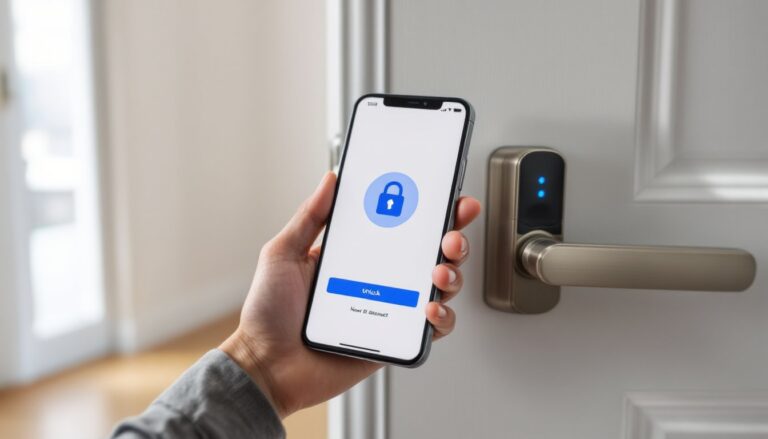
Remote control via smartphone app prevents energy waste from forgotten adjustments. Forgot to lower the heat before a weekend trip? A few taps fix it from anywhere. This alone can eliminate days of unnecessary runtime.
The real power lies in usage reports and optimization suggestions. Most smart thermostats generate monthly energy reports showing when HVAC systems run longest and why. They’ll flag inefficient patterns, like heating battles between thermostat schedules and manual overrides, and recommend adjustments. Some models compare usage to similar homes in the area, providing a benchmark for improvement.
Integration with other smart home devices amplifies savings. When paired with smart vents, window sensors, or occupancy detectors, the system can zone heating and cooling or pause climate control when windows open. These coordinated actions prevent the common mistake of conditioning unused spaces or fighting outdoor air.
Average Savings: What Homeowners Can Realistically Expect
Industry studies and user data point to 10-23% annual savings on heating and cooling costs for most households upgrading from manual or unused programmable thermostats. For a home spending $1,200 per year on HVAC energy, that translates to $120-$276 saved annually.
The Environmental Protection Agency’s ENERGY STAR program estimates that proper use of a certified smart thermostat saves an average of 8% on heating and cooling bills. Independent analyses from smart thermostat reviews typically fall in the 10-12% range for average users, with aggressive optimizers reaching 20% or more.
Savings vary significantly by baseline behavior. Homeowners upgrading from a constantly-on system or frequently overridden programmable unit see the largest drops, often 20-30%. Those already running tight manual schedules might only gain 5-8%. The device can’t create savings if efficient habits are already in place.
Regional climate also plays a role. Homes in extreme climates (very hot summers or cold winters) with high annual HVAC runtime see larger absolute dollar savings than mild-climate homes. A Phoenix household might save $300 annually, while a San Diego home saves $80, both representing similar percentage reductions on vastly different baseline costs.
Payback periods typically run 2-4 years based on the thermostat’s purchase price ($130-$250 for quality models) and household savings rate. After payback, every dollar saved flows directly to the homeowner’s pocket for the device’s 10-15 year lifespan.
Factors That Influence Your Smart Thermostat Savings
Your Current Heating and Cooling Habits
The less efficient the current setup, the more a smart thermostat improves it. Households that manually adjust temperatures throughout the day, forget to change settings when leaving, or keep climate control running 24/7 at comfort temperatures see dramatic improvements. Those already using programmable thermostats effectively, with schedules that match actual occupancy and minimal manual overrides, won’t experience the same leap.
Manual thermostat users who rarely touch the dial often condition empty homes for 8-10 hours daily during work and errands. Smart automation eliminates this waste immediately. On the flip side, users who obsessively micromanage temperatures may find smart learning features don’t match their preferences without extensive training.
Frequent schedule changes benefit most from smart adaptation. Shift workers, households with varying daily routines, or families with frequent travel see advantages over static programmable schedules that require constant reprogramming.
Home Size, Insulation, and Climate Zone
Larger homes with longer HVAC runtimes offer more opportunity for percentage-based savings to compound into meaningful dollar amounts. A 3,000-square-foot home spending $2,000 annually on climate control saves $200-$460 at the typical 10-23% rate. A 1,200-square-foot apartment spending $600 saves $60-$138, still worthwhile, but with a longer payback period.
Insulation quality affects results significantly. Well-insulated homes hold temperatures longer, meaning smart setbacks during away periods actually reduce runtime. Poorly insulated homes lose conditioned air quickly, limiting the benefit of away-mode temperature changes. Smart thermostats can’t fix inadequate insulation, that’s a separate (often more impactful) upgrade.
Climate zones determine HVAC dependency. Homes in ASHRAE Climate Zones 1-2 (hot) and 6-7 (cold) run systems year-round and benefit most. Zone 3-5 (mixed/moderate) homes with seasonal-only needs see smaller annual savings. Passive climate homes that rarely use heating or cooling won’t recoup the thermostat cost through energy savings alone, comfort and convenience become the primary value.
Multi-zone HVAC systems with multiple thermostats multiply both costs and potential savings. Upgrading three zones requires three smart thermostats but allows independent optimization of each area. Many insights from smart home automation apply here, where integrated systems deliver compounding benefits.
Upfront Costs vs. Long-Term Returns: Is It Worth the Investment?
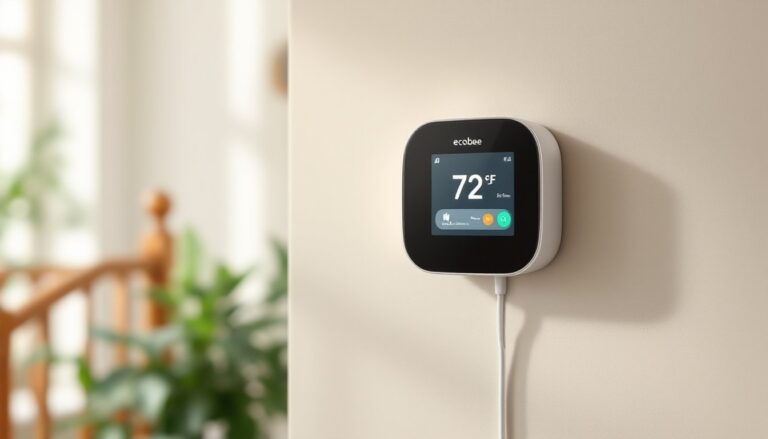
Quality smart thermostats range from $130-$250 for units like the Ecobee SmartThermostat or Google Nest Learning Thermostat. Budget options start around $90-$120 but often lack advanced learning features or third-party integrations. Professional installation adds $100-$200 if existing wiring isn’t compatible or if homeowners aren’t comfortable with low-voltage electrical work.
DIY installation takes 30-60 minutes for straightforward replacements. Most thermostats include detailed instructions and compatibility checkers on manufacturer websites. The main requirement is a C-wire (common wire) for continuous power, older thermostats sometimes lack this. Adapters or power extender kits solve this for $15-$30, or homeowners can run a new wire from the furnace if comfortable with basic electrical work. Turn off power at the breaker before touching any thermostat wiring.
Comparing upfront costs to annual savings: a $180 thermostat plus $120 DIY installation costs ($300 total) pays for itself in about 2 years at $150 annual savings, or 16 months at $250 annual savings. Professional installation extends payback to 2.5-3.5 years depending on savings rate.
Utility rebates shorten payback significantly. Many power companies offer $50-$100 rebates for ENERGY STAR certified smart thermostats. Some even provide free units or deeply discounted models to customers, dropping the net cost to $0-$80. Check with local utilities before purchasing, rebates often require buying specific models or using approved installers.
Beyond direct energy savings, smart thermostats add convenience value and may increase home resale appeal. Multiple thermostat comparisons highlight how these devices have become expected features in modern homes, similar to programmable garage door openers or smart lighting.
Maximizing Your Savings With Smart Thermostat Features
Getting full value requires actively using built-in features rather than treating the device as a fancy programmable thermostat. Here’s how to optimize savings:
Set realistic temperature setbacks. The system should lower heating by 8-10°F or raise cooling by 7-8°F when away or sleeping. Larger swings save more energy but take longer to recover comfort. Most HVAC systems handle these ranges without excessive runtime. According to leading smart thermostat analyses, consistent setbacks deliver the bulk of savings.
Enable geofencing and occupancy sensing. Let the thermostat track phone locations to trigger away mode automatically when everyone leaves and pre-condition before arrival. Manual schedule overrides defeat automation and erase savings.
Review monthly energy reports. Look for patterns like unexpectedly high runtime on mild days (potential HVAC maintenance issues) or excessive manual adjustments that fight the schedule (sign the program needs tweaking).
Integrate with other smart home devices. Connect window/door sensors to pause climate control when openings are detected. Link motion sensors to identify truly unused rooms. Smart vents can redirect airflow from empty spaces to occupied ones in multi-story homes.
Use the learning period correctly. Most smart thermostats need 1-2 weeks to establish patterns. During this time, interact normally with the device so it learns actual preferences, then let it run autonomously. Constantly overriding the system prevents learning and kills efficiency gains.
Schedule seasonal HVAC maintenance. Even the smartest thermostat can’t compensate for a clogged filter, dirty coils, or low refrigerant. Replace filters every 30-90 days depending on type. Annual professional tune-ups keep systems running at peak efficiency, maximizing the thermostat’s impact.
Smart thermostats work best as part of a broader efficiency strategy, not a magic bullet. They control HVAC runtime based on patterns and preferences, but they can’t fix underlying issues like air leaks, inadequate insulation, or failing equipment. For homeowners already practicing good energy habits in well-maintained homes, savings will be modest. For those upgrading from always-on operation or fighting an outdated system, the payback can be substantial and fast.